01
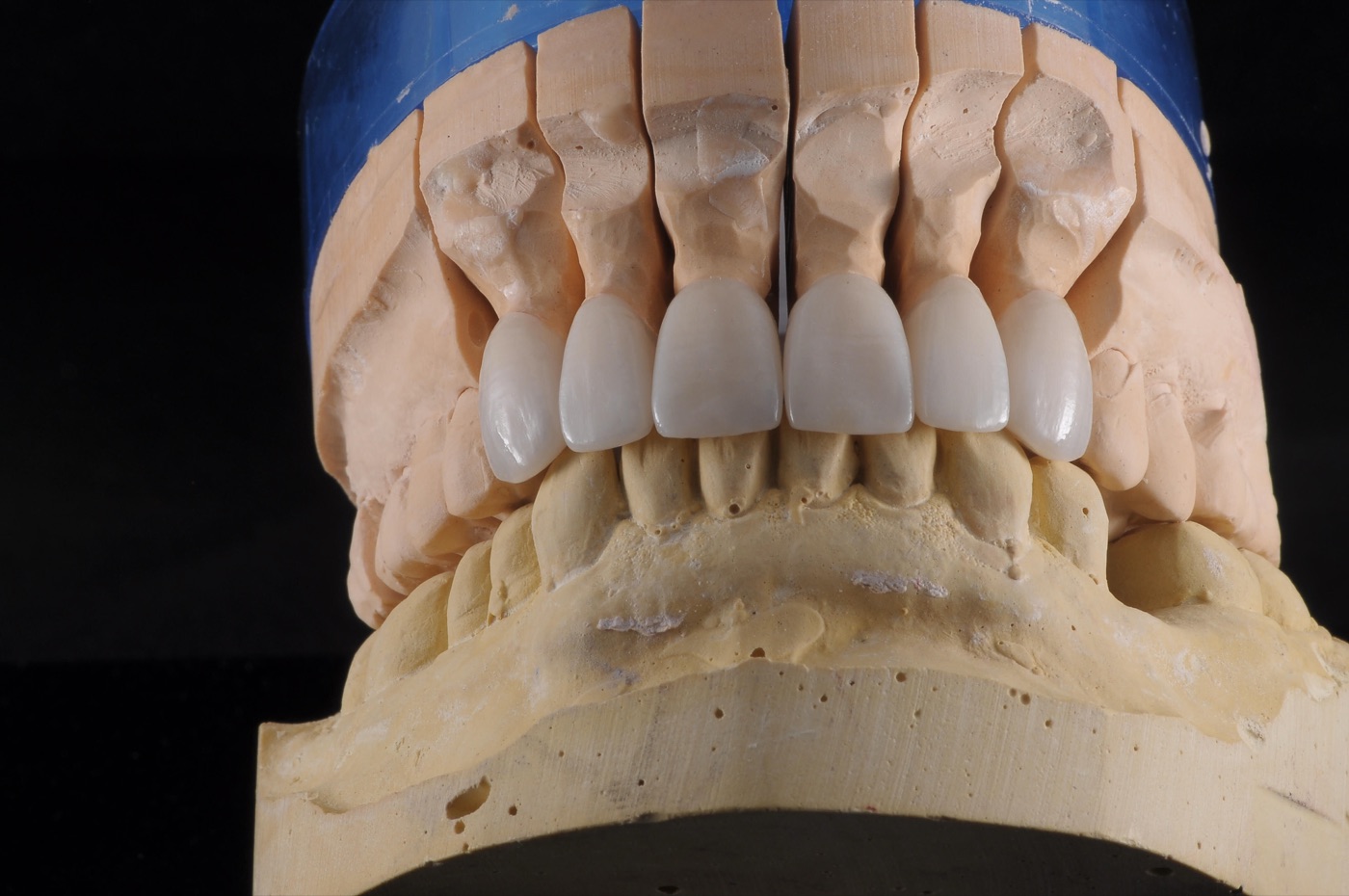
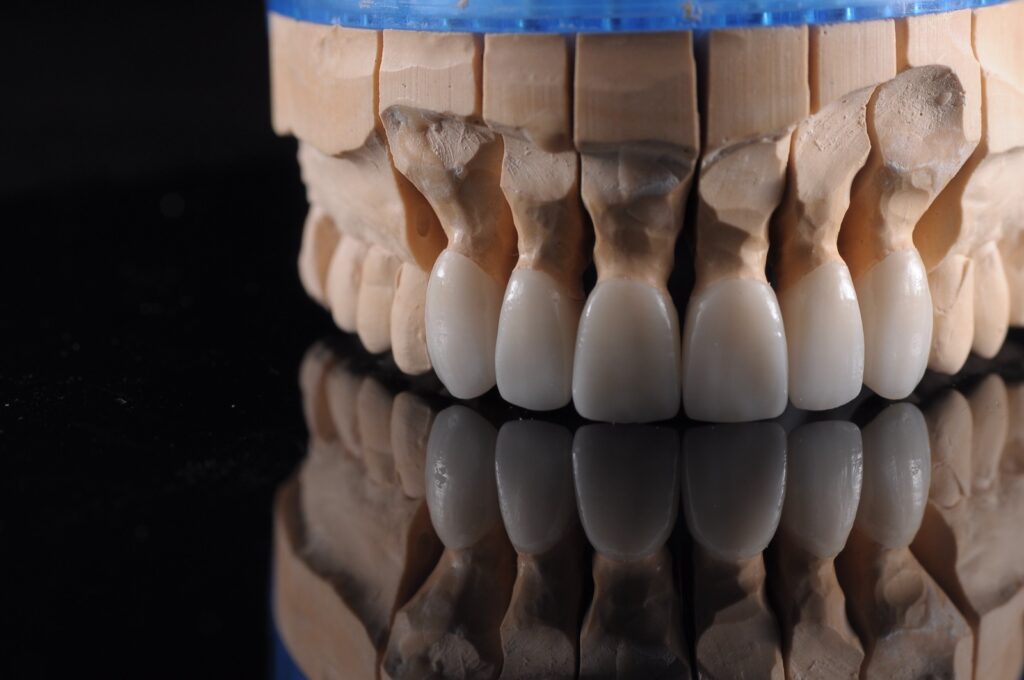
All-ceramic and zirconia crowns
Material choice comes down to three criteria: available space, occlusal load and esthetic demand.
Crowns and bridges in zirconia, lithium disilicate, all-ceramic and porcelain-fused-to-metal, on natural teeth as well as on implants, milled and characterised in our Laval laboratory.
Material choice comes down to three criteria: available space, occlusal load and esthetic demand.
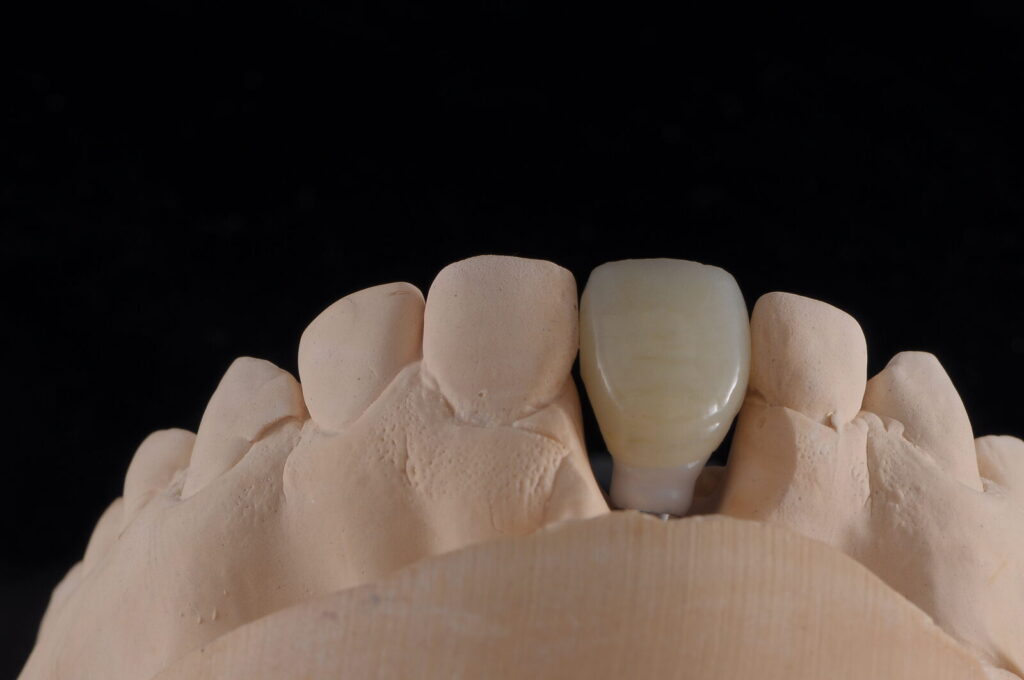
On an implant, the crown is designed from the emergence profile rather than from the contour of the neighbouring tooth.
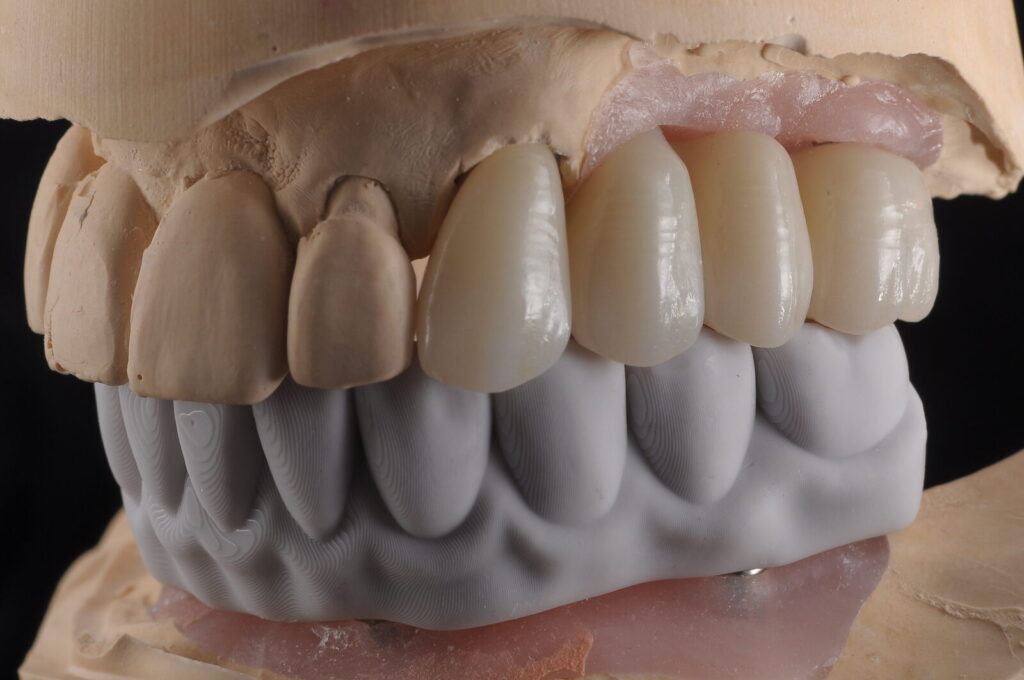
The conventional bridge on natural abutments is produced in monolithic zirconia, in zirconia layered on the facial surface, or in porcelain-fused-to-metal depending on span and position.
On a missing lateral incisor or a single anterior space in a young patient, the Maryland bridge, also called a resin-bonded bridge, avoids cutting two sound teeth.
On an anterior case the die shade matters as much as the target shade: a translucent crown seated on a discoloured die never delivers the shade requested.
Lithium disilicate gives the best optical result on a bonded anterior single unit, with strength sufficient for that indication. Zirconia takes over as soon as there is heavy occlusal load, a bridge span, a poorly retentive preparation or a discoloured die to mask. On a borderline anterior case, send us the die shade and a photograph: we will tell you which of the two will keep the esthetic promise.
Yes. We scan the stone model or the impression directly. That said, the fully digital workflow removes two sources of error, material deformation and model pouring, and it shortens the turnaround. If your clinic has an intraoral scanner, send the STL.
Our calibrated-lighting room receives your patient by appointment, with the Vita guides and our ceramist. On the most demanding cases our ceramist travels to your clinic. Taking the shade in the presence of the person who will build the ceramic avoids the correction round trip.
Yes, provided we have something to copy from: a scan of the piece in the mouth before removal, detailed photographs and, ideally, the crown itself. We transfer the shape and the characterisation rather than starting from a library tooth.
Adjust and polish. Monolithic zirconia tolerates it well, provided you mechanically repolish rather than leave a ground surface. If the discrepancy is significant, return the piece with a new occlusal record: we would rather correct at the laboratory than see a crown worn with a premature contact.
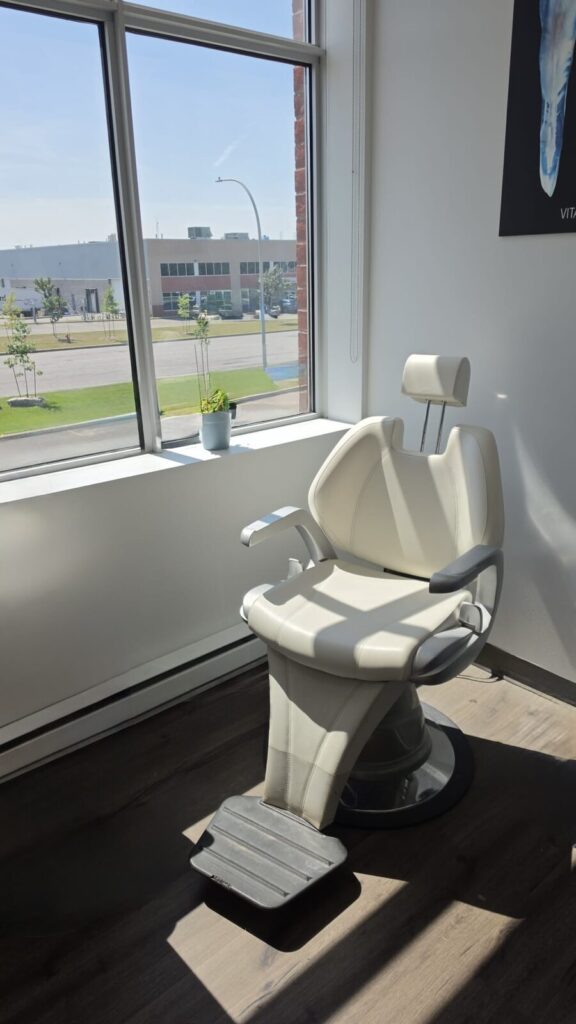
Calibrated-lighting room and Vita guides, or our ceramist travelling to you.
View the service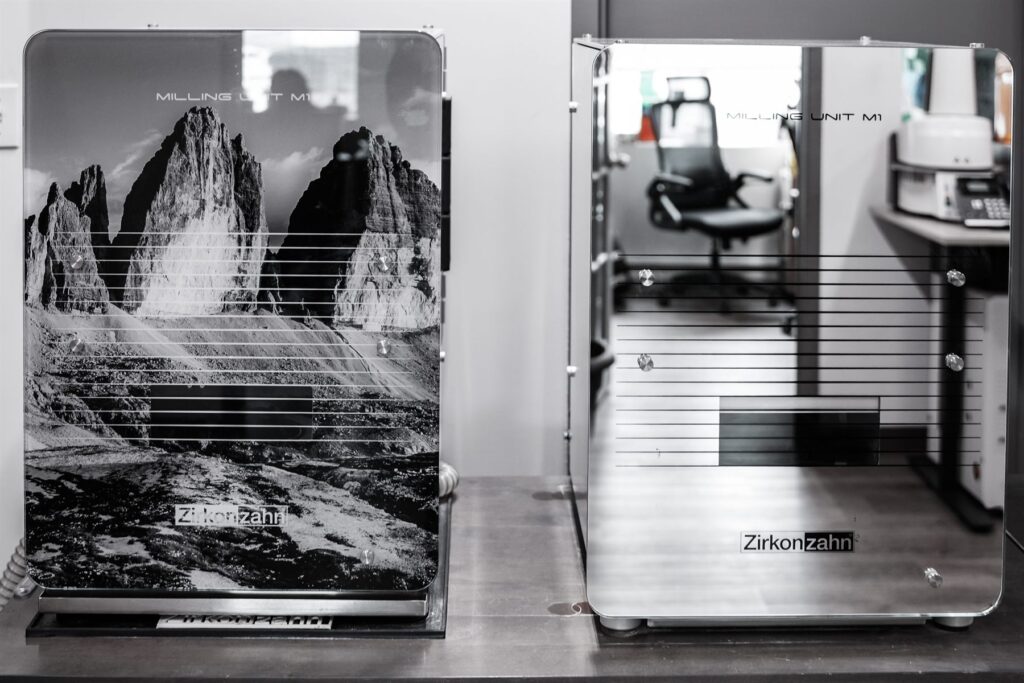
5-axis centre for zirconia, titanium, lithium disilicate and PMMA.
View the service
Veneers, inlays, onlays and overlays in lithium disilicate and feldspathic ceramic.
View the productSend the scan and the shade. We confirm the best-suited material and the schedule before production starts.