Product

Occlusal Splint

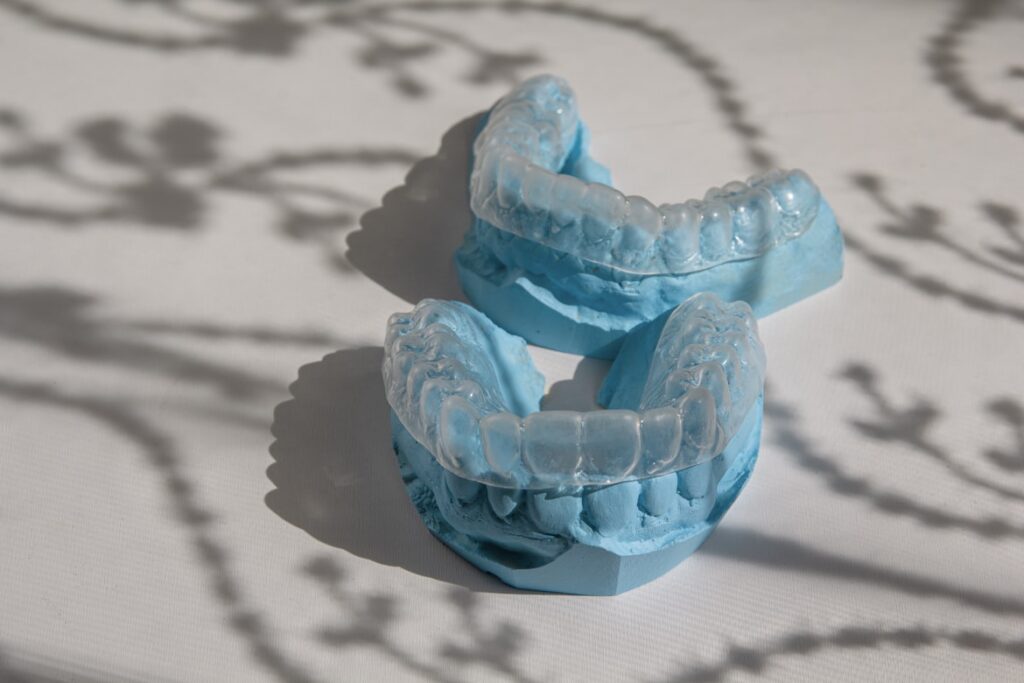
Occlusal splints milled in PMMA, printed in resin or in thermoplastic, in Michigan, anterior bite plane or repositioning designs, mounted on the occlusion you recorded.

What is included

What every splint covers

Occlusion set

Even posterior contacts and anterior guidance drawn in, not left to chance at mounting.

Defined thickness

Interocclusal height set by the indication and the record supplied.

Adjusted retention

Grip set for hand insertion, without binding and without play.

Polished surface

Full polish, intaglio included, for comfort and hygiene.

Models retained

File archived, so an identical second splint is immediate.

Adjustment note

The points to check chairside at delivery are listed.

Milling an occlusal splint from a PMMA disc
01

Milled PMMA, printed resin or printed thermoplastic

PMMA milled from a pre-polymerised disc is our first choice for a splint worn nightly over the long term: industrial polymerisation of the disc yields a denser, more stable material than a laboratory-cured resin, with less residual monomer and better wear resistance.
Also available

Splint types and indications

The Michigan stabilisation splint, full coverage with canine guidance, remains the reference design for bruxism and for protecting restorations.

Technical sheet

Product details

Types
Michigan stabilisation, anterior bite plane, repositioning splint, printed thermoplastic splint
Materials
PMMA milled from a pre-polymerised disc, certified printed resin, printed thermoplastic
Arch
Maxillary by default, mandibular on prescription
Thickness
Set by the indication and the recorded interocclusal space
Occlusion
Even point contacts on supporting cusps, canine guidance, posterior disocclusion in excursion
Required data
STL intraoral scan of both arches and an interocclusal record at the intended height
Articulation
Mounting on a semi-adjustable articulator, facebow on request
Finishing
Full polish inside and out, retention set for hand insertion
Turnaround
Confirmed at case intake

Without an interocclusal record at the intended height, a stabilisation splint cannot be mounted correctly. We tell you before producing it, not after.

Frequently asked questions

The occlusal splint in practice

Milled PMMA or printed resin, what do you recommend?

Milled PMMA for a long-term nightly splint: the pre-polymerised disc is denser, more wear-resistant and leaves less residual monomer than a laboratory-cured resin. Printed resin becomes the right choice for a fast replacement, a series of splints or a short-duration device.

Which occlusal record do you need exactly?

An interocclusal record taken at the opening height you want for the splint, in centric relation for a stabilisation splint. The scan of both arches alone is not enough: it would give us maximum intercuspation, which is often precisely the position the splint is meant to change.

Maxillary or mandibular?

Maxillary by default: coverage is more stable, anterior guidance easier to draw and retention better. Mandibular is justified when the patient tolerates a maxillary splint poorly, when there is a marked gag reflex, or for less visible daytime wear. State your choice and we follow the prescription.

Is chairside adjustment expected?

Yes, and it is normal. We deliver the splint with a note of the points to check, but final adjustment happens in the mouth with articulating paper: no record, however careful, replaces verification in situ. Plan the delivery appointment accordingly.

What if the patient breaks the splint?

The file is kept. An identical splint is remilled or reprinted with no new impression and no new record, as long as the dentition has not changed. If the fracture recurs in the same place, send us the broken piece: that usually points to an over-concentrated contact, which is corrected at the design stage.

Go further

Related services and products

Thermoformed dental trays

Trays and Mouthguards

Bleaching and sports protection.

View the product
CAD CAM milling of occlusal splints

High-Precision In-House Milling

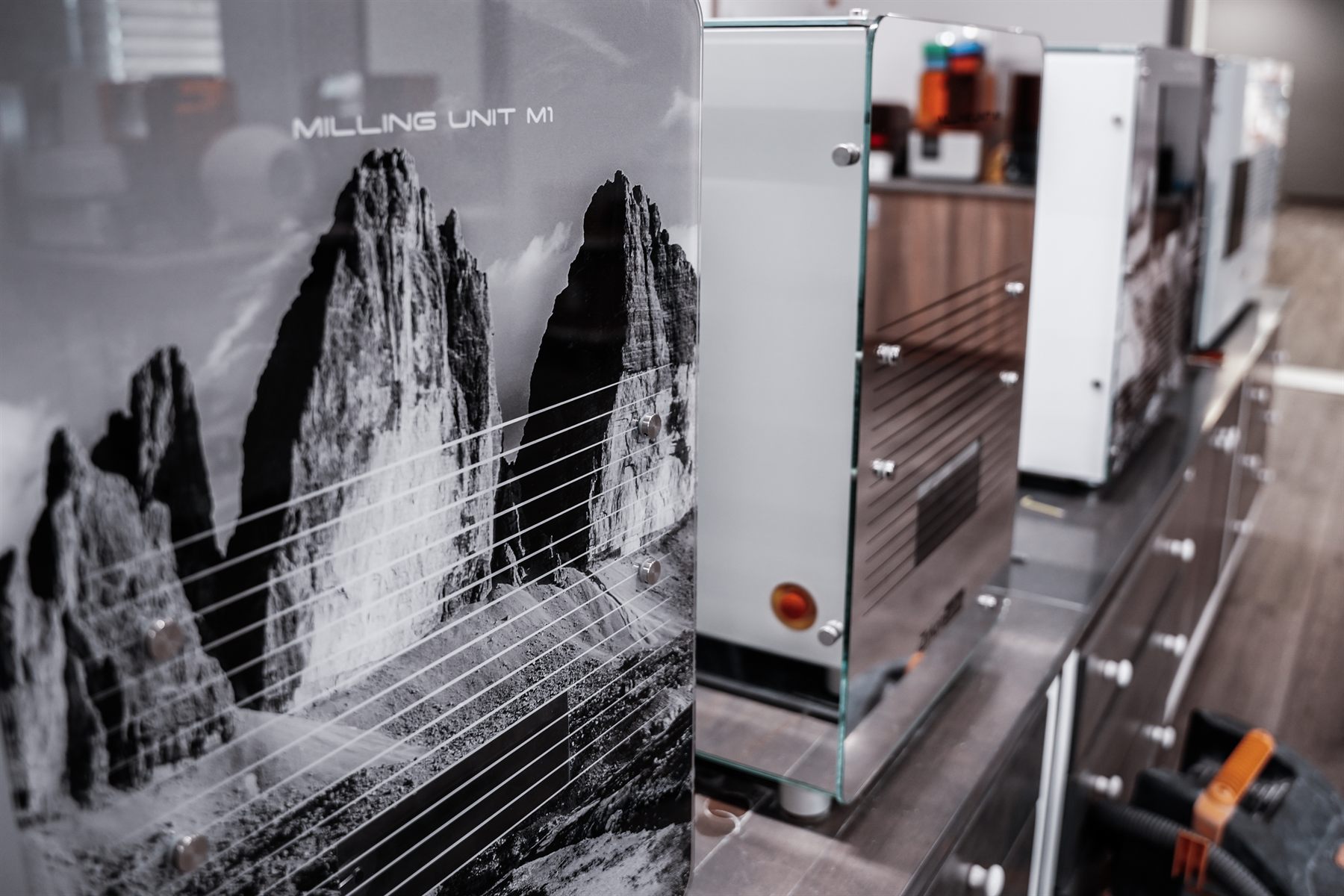
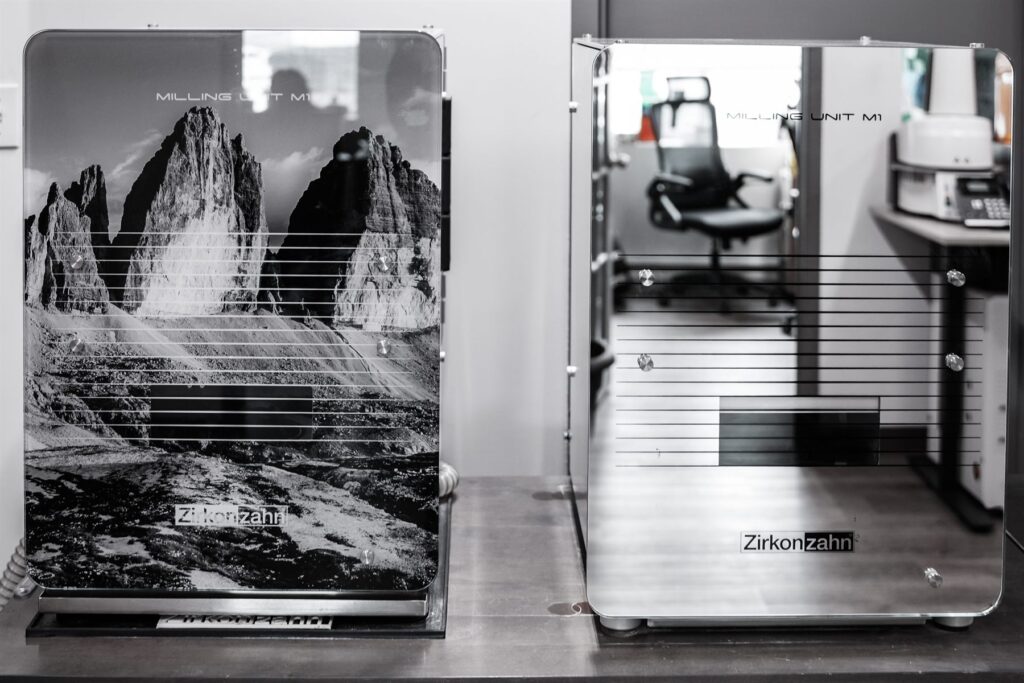
PMMA disc milling on our 5-axis centre.

View the service
Diagnostic wax-up and occlusal analysis

Diagnostic Wax-Up

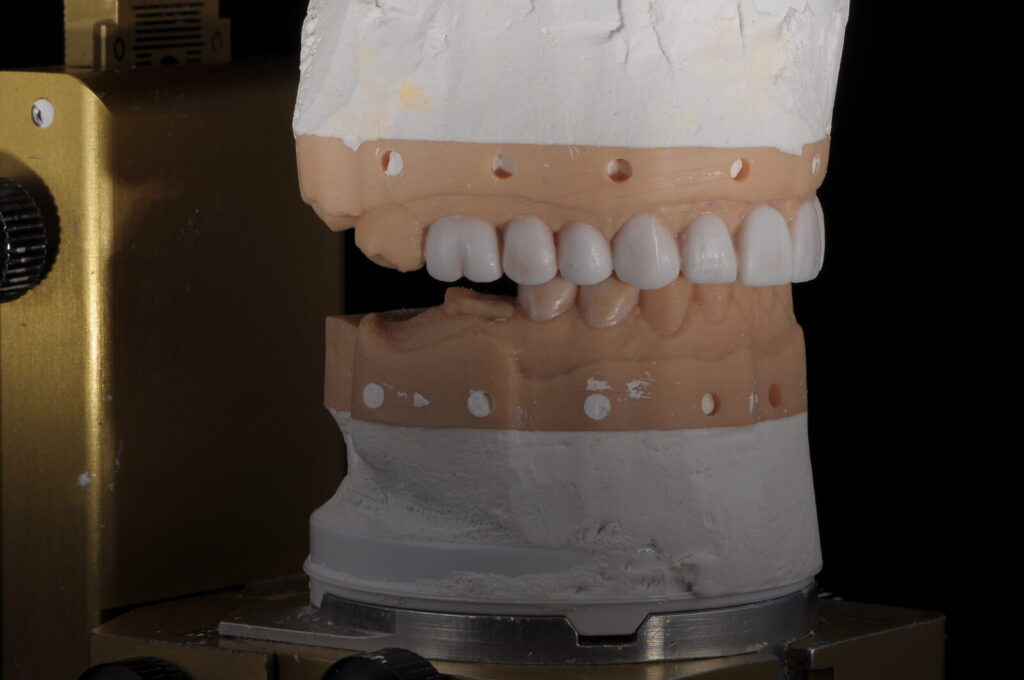
When the splint precedes an occlusal reorganisation, the project is drawn first.

View the product

A splint to have produced?

Send the scan of both arches and the interocclusal record. We confirm the best-suited type and material.

Call Contact Us